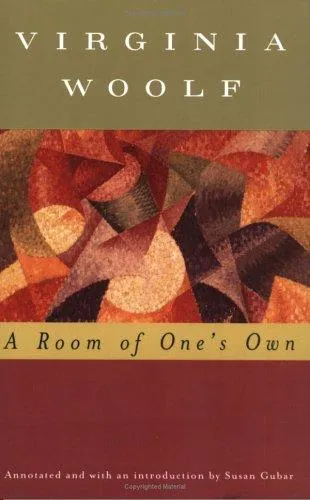
About this work
A Room of One's Own is Virginia Woolf's 1929 essay on women and creativity, built from lectures she gave at two women's colleges. Its argument is famously concrete: a woman must have money and a room of her own if she is to write fiction. Tracing the history of women silenced by poverty and exclusion, it remains a landmark of feminist thought.
About the author — Virginia Woolf
Virginia Woolf (1882 to 1941) was an English modernist writer who helped pioneer stream-of-consciousness narration in novels like Mrs Dalloway and To the Lighthouse. In her essays she brought the same subtlety to questions of women, art, and freedom.
1 quote from this work
People also ask
What is the main idea of A Room of One's Own?
That a woman needs financial independence and private space, money and a room of her own, in order to write. Woolf argues that women's absence from literature reflects material constraints, not lack of talent.
Why did Woolf write A Room of One's Own?
To examine why so few women had written great literature, and to show that the answer lay in their exclusion from money, education, and privacy rather than in any natural inferiority.
Is it still relevant?
Very much so. Its link between creative freedom and material conditions speaks to anyone thinking about who gets the time, space, and security to make art.