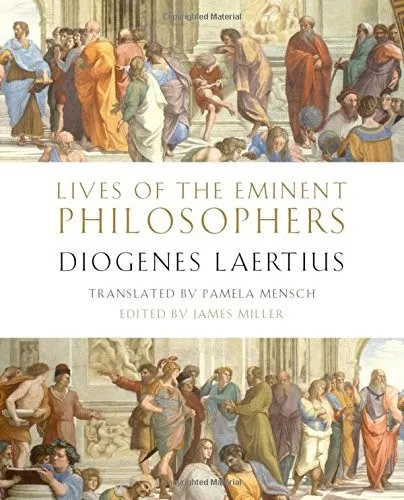
About this work
Lives of the Eminent Philosophers is Diogenes Laertius's third-century survey of Greek philosophy, the source that preserved the sayings and stories of thinkers from Thales to Epicurus, including many attributed to Aristotle. Part biography, part anthology of quotations, it remains the great storehouse of how the ancient world remembered its philosophers.
About the author — Aristotle
Aristotle (384 to 322 BCE) was a Greek philosopher and polymath whose sayings are among those preserved in Diogenes Laertius's Lives. A student of Plato and founder of the Lyceum, he shaped Western thought for two thousand years.
2 quotes from this work
People also ask
What is Lives of the Eminent Philosophers?
Diogenes Laertius's compendium of the lives, doctrines, and quotations of the Greek philosophers, and a key source for sayings attributed to figures such as Aristotle.
Why does it matter for Aristotle?
Many short sayings and biographical details about Aristotle reach us through Diogenes Laertius, making the Lives an important part of how his image was passed down.
Is the book worth reading?
For anyone curious about the personalities of ancient philosophy, yes. Its anecdotes bring the thinkers to life in a way the formal treatises rarely do.